10 Signs You Need Professional Septic Services Right Away

A septic system rarely fails without warning. Most of the time, it gives homeowners a series of clues, some subtle, some impossible to ignore. The trouble is that people often wait too long. They hope a slow drain will clear up on its own, or they assume a bad smell after rain is nothing serious. By the time the problem becomes urgent, the repair is usually messier, more disruptive, and more expensive than it needed to be.
If you live with a septic system, you already know it sits out of sight and out of mind for long stretches. That is exactly why trouble can build quietly. Tanks fill. Baffles deteriorate. Drain fields saturate. Tree roots spread toward moisture. Pumps fail. A household can keep using water every day while the system slips closer to overload.
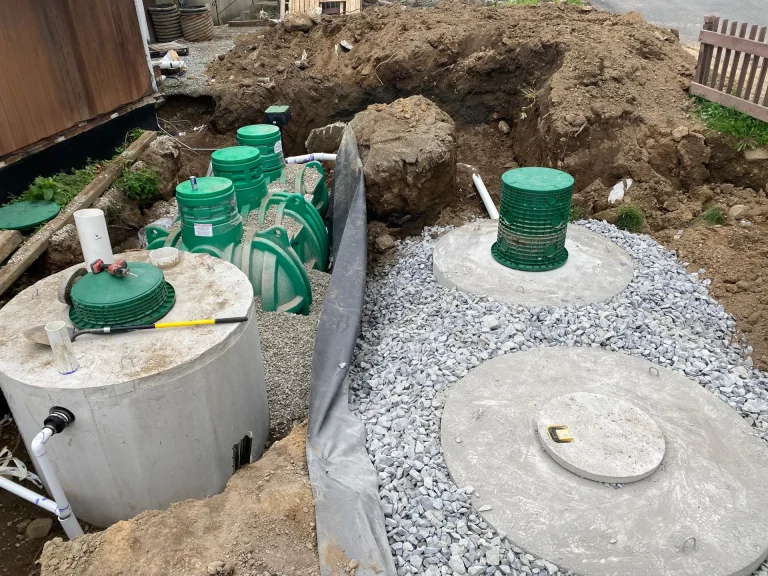
Professional septic services are not only for full-blown emergencies. They are also for the warning phase, when a trained crew can inspect the system, identify the source of trouble, and often prevent sewage backup, yard damage, or contamination concerns. The signs below are the ones that deserve immediate attention.
When septic trouble stops being minor
A septic system is designed to handle wastewater gradually. Solids settle in the tank, scum rises, and partially treated water moves to the drain field for final filtration through the soil. When one part of that process breaks down, the symptoms usually show up where water is being used, around the yard, or inside the tank itself.
Some issues are inconvenient but manageable for a day or two. Others call for same-day service. The difference comes down to whether wastewater is backing up, surfacing, or creating health risks. If sewage is entering the house, if the yard is wet and foul-smelling, or if multiple fixtures are affected at once, it is time to stop guessing and call for professional help.
1. Multiple drains in the house are slowing down at once
One sluggish sink often points to a local clog. A hair blockage in the bathroom trap or grease buildup in a kitchen line is common enough. But when the bathtub, toilet, and sink all begin draining slowly around the same time, that usually points to something farther down the system, often in the main line or septic tank.
This is one of the first patterns experienced technicians look for. A homeowner may say, “The shower has been slow for a week, and now the toilet gurgles when the washer drains.” That combination matters. It suggests the wastewater has nowhere to go easily, so the plumbing is starting to react to pressure changes inside the line.
In practice, this can happen because the tank is overdue https://troyzeqj040.nexorafield.com/posts/how-septic-services-reduce-the-risk-of-sewage-backups for pumping, the outlet filter is clogged, the line to the tank is partially blocked, or the drain field is no longer accepting effluent properly. None of those issues improves with store-bought drain cleaner. In fact, harsh chemical cleaners can upset the biological balance in the tank and cause their own problems. If more than one drain is struggling, septic services should move to the top of your to-do list.
2. Toilets start gurgling, bubbling, or flushing inconsistently
Toilet sounds tell you a lot. A toilet that bubbles after flushing, gurgles when another fixture is used, or rises unusually high before draining is often reacting to a venting or wastewater flow problem. In homes on septic, that symptom deserves respect.
The gurgling noise usually means trapped air is being displaced because the system is not moving wastewater normally. Sometimes it shows up after the washing machine drains. Sometimes the upstairs bathroom seems fine while the basement toilet acts up first. That kind of uneven behavior is common because low fixtures often reveal septic issues before upper fixtures do.
I have seen homeowners ignore this sign for weeks because the toilet still eventually flushes. Then a family gathering, a few extra loads of laundry, or a heavy rain pushes the system over the edge. Suddenly the lowest shower or basement drain backs up with wastewater. Once that happens, the job becomes a cleanup problem, not just a maintenance call.
3. Sewage odors linger inside the house or near the tank and drain field
A healthy septic system should not make your property smell like sewage. Brief, faint odors near a vent stack can happen under specific weather conditions, but persistent foul smells indoors or outside are a red flag.
Inside the house, odors may suggest a dry trap, a cracked seal, or a plumbing vent issue, but they can also signal that wastewater is not moving through the system correctly. Outside, smells around the tank lids, distribution box, or drain field often mean untreated or partially treated sewage is too close to the surface. That can happen when the tank is overfull, when the field is saturated, or when a component has failed and effluent is no longer dispersing properly.
Smell is one of the earliest signs homeowners notice, and one of the easiest to rationalize away. People blame the weather, nearby farm activity, or a temporary issue after heavy use. If the odor keeps returning, especially in the same area of the yard, it needs professional evaluation. Septic gases are unpleasant, but the bigger concern is what the smell says about wastewater containment.
4. Wastewater backs up into tubs, showers, or floor drains
This is not a watch-and-wait situation. If wastewater is backing up into the house, you need professional septic services right away.
The lowest drain in the home usually shows the problem first. In many houses, that is a basement shower, floor drain, or first-floor tub. You may notice dark water standing after a toilet flush or murky liquid pushing up during a laundry cycle. Some homeowners make the mistake of continuing to use water while they decide what to do. That almost always makes things worse.
When sewage backs up indoors, stop running water if possible. Every toilet flush, dishwasher cycle, and handwashing session adds to a system that is already failing to move waste out. Backups can expose your home to harmful bacteria and create significant cleanup costs, especially if carpeting, drywall, or finished basement materials are affected. This is one of the clearest signs that the problem has moved beyond ordinary troubleshooting.
5. The yard above the drain field stays soggy, green, or spongy
A wet patch in the yard is not always a septic problem, but a wet patch over or near the drain field deserves immediate attention. If the grass in one area is consistently brighter green, grows faster than surrounding sections, or feels soft underfoot even during dry weather, wastewater may be surfacing below.
That growth happens because sewage effluent contains nutrients. At first glance, homeowners sometimes think they have found the healthiest strip of lawn on the property. On closer inspection, the soil may be unusually damp and there may be an odor, especially later in the day or after water use in the house.
Drain fields fail in different ways. Some become compacted by traffic from vehicles or heavy equipment. Some are overwhelmed by excessive water use or poor drainage around the property. Others reach the end of their service life. A saturated field cannot finish the treatment process correctly, and once effluent starts rising too high, the issue becomes both a system failure and a sanitation concern.
6. You hear alarms from a pump tank or advanced treatment system
Not every septic system relies on gravity alone. Many homes, especially those with challenging site conditions, use lift stations, pump chambers, floats, or advanced treatment components. If one of those systems has an alarm, treat it seriously.
Homeowners are sometimes tempted to silence the buzzer and assume the issue can wait until next week. That is risky. A high-water alarm often means the pump is not moving wastewater where it needs to go. The cause might be electrical, mechanical, or hydraulic, but the result is the same: the system is operating with very little margin left.
The right first step is usually simple. Reduce water use immediately and call for service. Do not keep doing laundry, running long showers, or hosting overnight guests. A technician can determine whether the alarm reflects a bad float, a failed pump, a tripped breaker, or a larger field issue. Pump systems can go from warning to backup quickly, particularly in busy households.
7. The septic tank has not been pumped in years, and the household load has increased
This sign is not as dramatic as a sewage backup, but it is one of the most common reasons emergency calls happen in the first place. If the tank has gone too long without pumping, solids can build up beyond safe levels. Once that happens, waste can move into places it does not belong, including the outlet line and drain field.
There is no single pumping schedule that fits every home. A small household with conservative water use may go longer than a large family that does constant laundry, frequent cooking, and heavy shower use. Tank size matters too. In many homes, a rough service interval falls somewhere around every three to five years, but that is only a starting point, not a universal rule.
Problems often arise after a home’s usage changes. A couple becomes a family of five. Aging parents move in. Short-term guests stay for a season. A remote worker starts using water all day instead of leaving the house for work. The septic system does not care why the load increased. It just receives more wastewater and more solids. If you cannot remember the last pumping, or you inherited the house and have no records, that uncertainty alone is a good reason to schedule septic services before symptoms worsen.
8. Standing water appears near the tank lids, inspection ports, or distribution area
Water pooling around septic components can have several causes, and not all of them are catastrophic. But standing water near the tank or distribution area should never be shrugged off. It may point to an overflowing tank, a cracked riser, a lid issue, a leaking pipe, or a field that is no longer absorbing effluent correctly.
After heavy rain, some dampness can be weather-related. The key is timing and pattern. If the area remains wet long after surrounding ground has dried, or if the standing water seems to worsen after showers, laundry, or dishwasher use, the septic system is likely involved. Professionals often compare the behavior of the wet area with the home’s water-use patterns. That tells them whether the source is surface drainage, groundwater intrusion, or wastewater escape.
This is also one of those signs that can be dangerous for children and pets. Open, damaged, or compromised lids are a serious hazard. If you notice soggy ground and suspect a failing cover or exposed opening, keep people away from the area until it can be inspected.
9. Your well water, nearby ditch, or property drainage raises contamination concerns
Not every septic problem announces itself with a dramatic backup. Sometimes the first clue is broader and more environmental. A private well begins showing changes in odor or quality. A drainage swale near the property has unexplained murkiness. A neighbor downhill notices recurring sewage smell after storms.
A failing septic system does not always keep contamination neatly confined. That is particularly true on properties with shallow soils, high groundwater, older systems, or poor separation between the septic field and water sources. If there is any reason to think wastewater may be affecting a well or nearby runoff, the issue has moved beyond inconvenience.
Professional inspection matters here because the problem may involve more than pumping the tank. It could require locating leaks, checking baffles, examining the distribution box, testing pump performance, or assessing whether the drain field is suitable for current conditions. This is not a place for guesswork. Water quality concerns need prompt and careful handling.
10. Heavy rain causes repeat septic problems
Rain does not cause a healthy septic system to fail on its own, but it often exposes a weak one. If every major storm leads to slow drains, yard odors, or wet ground over the field, the system is telling you it has little reserve capacity.
This pattern is common on older properties and lots with drainage issues. Excess water can saturate the soil around the drain field, leaving little room for septic effluent to disperse. Roof runoff directed toward the field, poorly graded yards, sump pump discharge, and compacted soil can all make the problem worse. When rain and septic trouble show up together repeatedly, the system needs more than a temporary workaround.
A proper service call can sort out whether the field is hydraulically overloaded, whether surface water is being mismanaged, or whether the tank and lines simply need maintenance. Sometimes the fix is straightforward. Sometimes it reveals a field nearing the end of its useful life. Either way, repeated storm-related symptoms are not normal and should not be treated as a seasonal annoyance.
What to do before the technician arrives
Once you suspect a septic issue, your actions in the next few hours matter. The goal is to reduce strain on the system and avoid worsening any backup or overflow.
- Cut water use to the bare minimum, especially laundry, long showers, and dishwasher cycles.
- Keep people and pets away from soggy or suspicious areas in the yard.
- Do not open the tank yourself unless you are trained and properly equipped.
- Write down the symptoms, when they started, and whether rain or heavy water use made them worse.
- If sewage is backing up indoors, stop using plumbing fixtures until the system is evaluated.
That short pause often helps the service crew diagnose the problem faster. Details like whether the issue affects every bathroom, whether odors are stronger in the evening, or whether the alarm started after a storm can save time and narrow the likely cause.
Problems that homeowners often misread
Septic systems have a way of blurring the line between plumbing trouble and site trouble. A clog in one branch line can look like a failing tank. A saturated drain field can mimic a simple backup. That is why experience matters.
Here are a few situations that frequently cause confusion:
- A single slow sink usually points to indoor plumbing, but several slow fixtures usually point farther downstream.
- A lush patch of grass can look harmless, yet it may be one of the clearest signs of wastewater surfacing below.
- A recently pumped tank may still show symptoms if the actual failure is in the outlet line or drain field.
- Chemical drain products may seem like a quick fix, but they rarely solve septic-related restrictions and can create added complications.
- A system that works fine most of the year but struggles after rain is not “basically okay.” It is often a system already near its limit.
That last point catches many homeowners off guard. They assume anything short of a full backup can wait indefinitely. In reality, septic systems often fail gradually. Acting during the warning stage usually preserves more options.
Why speed matters with septic services
Delay is expensive with septic work. A tank that only needs pumping today may contribute to drain field damage if left overloaded for too long. A bad pump float can become an indoor sewage event after a weekend of normal water use. A minor outlet restriction can force solids where they should never go.
There is also the human side of it. Septic problems disrupt the parts of life people notice immediately: showers, toilets, laundry, cooking, guests, and work-from-home routines. If you have ever had a backed-up basement bathroom the night before relatives arrived, you know how fast a hidden system can become the only thing anyone in the house talks about.
Professional service brings more than pumping equipment. It brings diagnosis. A good technician looks at usage, tank condition, line performance, alarm history, drainage, and site conditions together. That broader judgment is what separates a temporary reset from a real fix.
The warning signs are easier to handle than the aftermath
Most serious septic failures start with ordinary symptoms people talk themselves out of noticing. A toilet gurgles once. The lawn looks a little too green. There is an odor near the tank after a rain. The shower drains slowly, but only on weekends. None of that feels dramatic in the moment.
Then the pattern sharpens. Multiple drains slow down. The yard stays wet. An alarm sounds. Wastewater backs up. By then, the system is demanding attention on its own terms.
If you have seen any of these signs, especially more than one at the same time, it is wise to call for septic services promptly. Fast action protects the house, the yard, the health of the people living there, and the long-term life of the system itself.
Excavating New Jersey LLC
Address: 406 County Rd 565, Wantage, NJ 07461
Phone number: +19737914284
FAQ About Septic Services
What is the average cost to get a septic tank emptied?
Emptying a septic tank costs between $290 and $560 on average, with most homeowners paying about $420. Prices vary based on tank size.
What is septic service?
Septic service inspects, pumps, cleans, and maintains a septic tank. A septic tank is a large, underground container that collects and treats wastewater from your home. Over time, sludge, scum, and other debris, like hair and solids, can build up in your tank and clog your drain field.
How often should you have a septic tank serviced?
A standard septic tank should be inspected every 1 to 3 years and pumped every 3 to 5 years. However, the exact schedule depends on your tank's capacity, household size, and daily water usage.